Quote:
Originally Posted by timmy

Is there any possible way of determining the voltage capability of a capacitor when there is no voltage marking. I have 2 capacitors that are about as round as a quarter and about 3 inches long and they came from a strobe light circuit and the sticker on them indicate that 375 volts were tested on them and passed but that's it , but no definitive voltage amount it is rated for.  so with these old sets that have 450 volt caps, do they really reach 450 volts or is this just the 20-30% built in, AKA , overkill like they did back then. |
I have a Sencore Z-Meter which will put up to 600 V across any capacitor. Because it monitors current, I find that a 450V cap will start "leaking" at 500V. Unfortunately, my LC75 isn't continuously variable, so once it goes beyond 300V, it moves in 100V increments. There may be a way of slowly ramping up voltage and watching the current. Maybe someone here knows the formula.
If your cap was tested for 375, my guess is that it's close to it's limit, and maybe the strobe ran it at 350V.
If there are any other markings on the caps, the voltage rating might be encoded therein. I see many film caps in switch mode supplies that don't have a printed voltage rating on them, but they may have a "2J" for instance, which is a 630V cap.
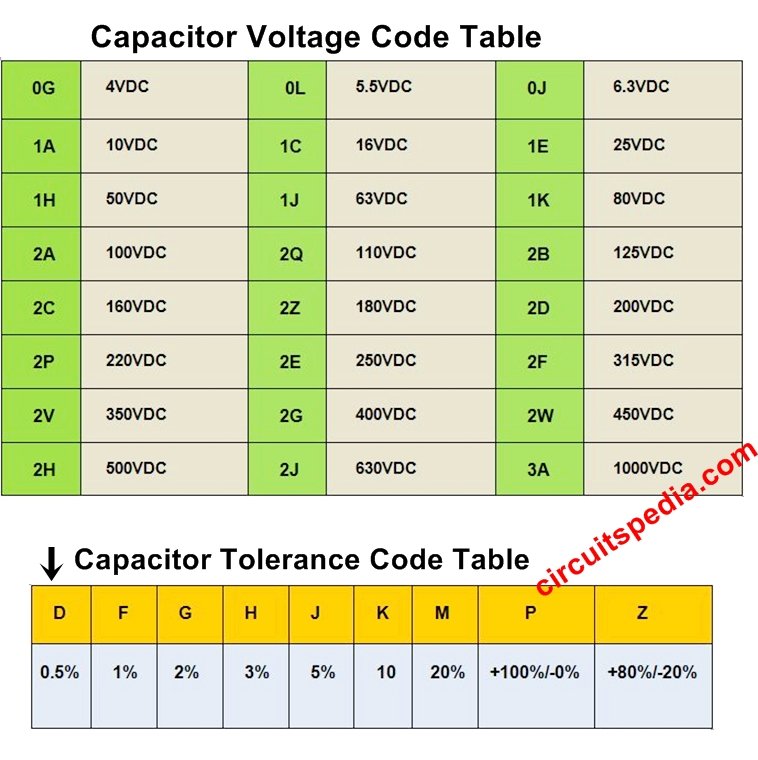
With regards to old TVs and their 450V caps, I find that a lot of tube TVs run voltage across these caps right at their limit, so there's not a lot of headroom. I don't know if I'd trust that 375V cap in a 450V application.
John