Quote:
|
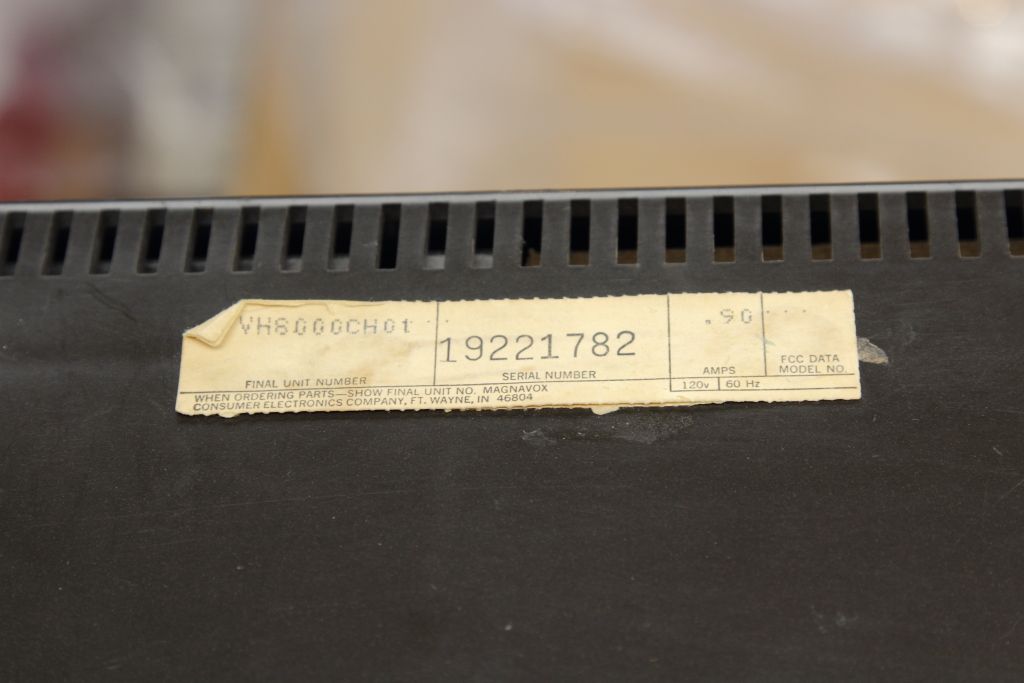
I have not heard of a "CH8000" before, is that maybe the Canadian version of the VH8000, or is the topic title just mis-spelled?
|
My bad. It's VH8000. Radiomuseum.org has be questioning myself because they list it as both VH8000 and CH8000.
Quote:
|
You may be aware that two men in Europe (I forgot what country) restored a Philips VLP-600, the European version of these players, and they put a video about it on Youtube. They also had one or more machines with the broken gear. The work they did to restore their player was a serious amount of effort, but they nicely documented it all.
|
Yep! I read that through last year in fact. I went over it again though once this arrived and I did the initial check-out and that's where I found out that the European and North American models vary enough that the service docs are not the same. Radio Electronics does have a section on servicing LD players starting in December 1984 (the meat of the topic isn't printed until February 1985) but they do show a photograph of a much
much better service jig for the VH8000's so you don't have to lean them over a table.

I'm at a point where I'm sure I'm hearing the two mirrors shifting around because they need to be reattached. I'm not looking forward to the nightmare of manually realigning the optics. They didn't have the right tools. I don't have the right tools either. Really I'm just hoping through some miracle it decides to just work. (it won't)
Quote:
|
I do not know the length/size and width of the belt needed. If you can tell me what belt size worked for you, I would appreciate that too.
|
I was not able to size mine out either because it had already fallen into multiple pieces. I ended up buying a bulk pack of assorted size flat belts from aliexpress before the Canada Post strike and just picked one that was a snug fit.
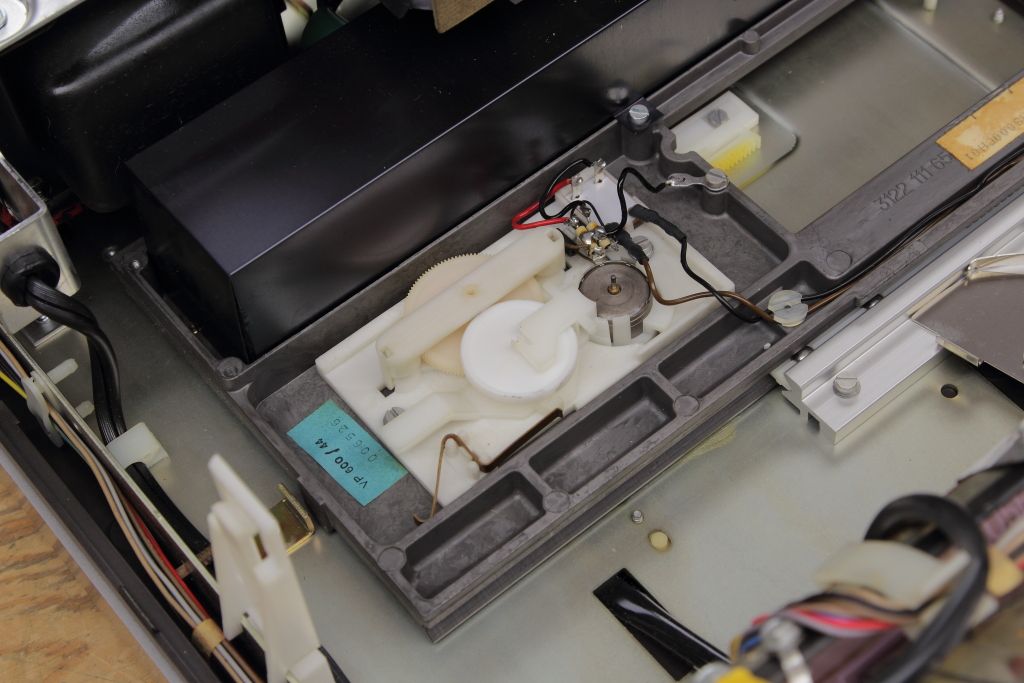
The main issue is that the transport grinds against the spindle and overshoots the home/shipping position. This version of the VH8000 does not have a microswitch to tell the player when it's at the endstop (or at the innermost point of the disc). There are two switches under the gearing assembly that sense other positions but nothing for the extreme edge. I'm really hoping the SAMS explain that since there is no other feedback mechanism I can see that has gone out of adjustment.