
|
|
|
|
|
#1
 12-21-2006, 11:12 PM
|
||||
|
||||
|
And this is why you replace old caps
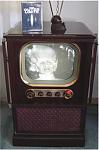
I've been working on slowly getting my Capehart back together. i Thought I had replaced all the wax caps. NOPE!
Brought up the set nice and slow. I heard the sound come up, then i started hearing sizzling. I killed the power promptly and turned the chassis on its side. I could smell that nasty hot smell, you know --the one just before catastrophic failure! I looked around, and behind the Horizontal hold coil (which was shielded by a can) i found my two culprits. One was still bubbling! The other was slimy and had started to melt. A little longer and their could have been a bang and a big nasty mess. Always replace those old caps and double check your work 
__________________
Jordan 
|
|
#2
12-22-2006, 12:23 AM
|
|||
|
|||
|
Very good post. I restored an Emerson from about 1954 and neglected to re-place an AGC filter cap(paper/wax) with all of 4 volts on it. Needless to say, the set had AGC problems as it warmed up, too much gain with picture overload and loss of sync.
Replacing this last capacitor fixed the problem. As mentioned, always replace all old electrolytic and paper caps. Many problems can be solved or prevented by doing this. Testing them and hoping they stay good(if they happen to test good) is just not worth the headaches.
|
|
#3
12-22-2006, 12:47 AM
|
||||
|
||||
|
Amen!
On a big project like a TV or boatanchor, I check off every cap in three places -- the schematic, parts list, and parts layout diagram (if there is one) -- when I replace it. Seems like overkill at times, but you're right, it's very easy to overlook something in a cramped corner. And none of the old papers or electrolytics should be left in service if you want the TV to work for any length of time. Phil Nelson Phil's Old Radios http://antiqueradio.org/index.html
|
|
#4
12-22-2006, 11:22 AM
|
||||
|
||||
|
I recently bought out the remaining parts inventory of a TV repair shop that closed it's doors. I got around 300 NOS aluminum electrolytic cans as part of the deal.
What is the opinion of you more experienced members as to the re-forming of these never used NOS cans versus, using individual new electrolytics to rebuild the old aluminum cans, when recaping a set. I don't want to go through the trouble to use the NOS cans if they aren't any good to use, and then have failures down the road. Thanks
__________________
Vacuum tubes are used in Wisconsin to help heat your house. New Web Site under developement ME http://AntiqueTvGuy.com
|
|
#5
12-22-2006, 12:02 PM
|
||||
|
||||
|
If they've been sitting, chances are they have dried up.
As far as "reforming" I really only perform this procedure if the set is less than 40 years old, and for testing purposes. As far as reliability, forget it. Reforming should only be used to see if a piece will function, and even then its risky. Its better to protect your investment and spend the money to replace the caps rather than attempt to use the originals. Its not a matter of if your NOS parts will fail, its just a matter of when and how much destruction it will cause. If you want to keep the stock look, leave the cans in place, and just disconnect the leads from them. Then add new electrolytic caps under the chassis. You can also get replacement cans from tubesandmore.com however they are costly ~$30 each
__________________
Jordan
|
| Audiokarma |
|
#6
12-22-2006, 12:11 PM
|
||||
|
||||
|
I have a pile of NOS or gently used can caps but I don't know why I save them. I just don't trust them. Some people do swear by reforming but I've never given it a good effort.
I used to be of the "wait and see" camp when it came to recapping but now I use the shotgun approach. I've learned that the vertical circuit, in particular, is never going to behave with those old caps in there. A couple times there has been a set in my collection that I used with no problems & I assumed I had already recapped it fully...then I discovered that few if any had been replaced. When you get too many TV sets you kinda forget what is done!
__________________
Bryan
|
|
#7
12-22-2006, 12:27 PM
|
||||
|
||||
|
We only use brand new electrolytics in repairs...this assures the longest trouble-free performance of the repaired device. Also I like to check the date code on caps before buying...found some 1984 electrolytics at a parts distributor still on the shelf for sale...wouldn't use them as they already have more than 20 years of age on them.
Would not recommend using anything but brand new caps.
|
|
#8
12-22-2006, 05:45 PM
|
||||
|
||||
|
Thanks everyone. I guess that settles that. Time to put the entire batch on e-bay. Maybe someone else will want them, but I won't take the chance.
__________________
Vacuum tubes are used in Wisconsin to help heat your house. New Web Site under developement ME http://AntiqueTvGuy.com
|
|
#9
12-22-2006, 07:09 PM
|
|||
|
|||
|
As to furthur convince you, I tried re-forming the electrolytic caps in some AC/DC tube type radios that I was working on. They seemed to re-form and the radio worked ok for a period of time, then began humming as if it needed new filter caps (It did!!). The re-forming dkd not last.
I have never had this problem when I use new electrolytics.
|
|
#10
12-22-2006, 08:20 PM
|
||||
|
||||
|
Get rid of the cans and use fresh stock. I have never been satisfied with reforming. One set in my collection is using the original lytics. So far, so good. I just wait for the day when one of the lytics goes south. Then again, they may have been good anyway. Then again, you could cut the cans, restuff them and use them in future projects.
__________________
The world's worst TV restoration site on the entire intranoot and damn proud of it. http://evilfurnaceman.tripod.com/tvsite
|
| Audiokarma |
|
#11
12-22-2006, 08:30 PM
|
||||
|
||||
|
Terry told me The Rule on questionable old caps: Remove suspect cap. Hold it level w/yr head, above trash can. Drop it in said can. If it goes "Bangety-bang-bang", "Clinkety-clink-clink", or any combination, or permutation of either, it is bad. Leave in trash can, install new cap. Go on w/life, be fruitful & multiply.
__________________
Benevolent Despot
|
|
#12
12-23-2006, 01:23 PM
|
||||
|
||||

 While I agree that you cannot trust old filters, I have also found that many new filters are also crap. The chinese filters in particular stink. I also put in all new filters in a child's record player I re built two years back. I was periodically using it, so you can't say non use caused it. But, now, the other day, while using it, it had a noticabloe power supply hum that only slowly improved slightly, but, never went away. While I agree that you cannot trust old filters, I have also found that many new filters are also crap. The chinese filters in particular stink. I also put in all new filters in a child's record player I re built two years back. I was periodically using it, so you can't say non use caused it. But, now, the other day, while using it, it had a noticabloe power supply hum that only slowly improved slightly, but, never went away. I replaced all electrolytics with new IRC filters in one tv. 6 Months later, they failed. What can you trust any more????   
__________________
"Tubes are those little glass things that light up orange unless there is a short.. Then they light up all pretty colors..." Please join my forum. http://www.tuberadioforum.com/
|
|
#13
12-23-2006, 08:33 PM
|
||||
|
||||
|
Jordan -
I hope your Capehart restoration is going well. First time I powered mine up, the same thing happened. I caught an unpleasant whiff and heard some sizzling and pulled the plug fast. The chassis on its side, I saw a drip, drip, drip of hot wax hitting the bottom inside edge of the chassis. Traced it to a bubbling wax cap, looking just like your photos. In my case, the capacitor itself wasn't generating any heat, but the adjacent half-watt resistor was glowing red hot and I burned my thumb the hard way. Please check to see that the same thing's not happening to you, or you might stress or smoke your new Sprague Orange Drop too. Just thinking out loud, hope it helps. - Kirk
|
|
#15
12-23-2006, 10:25 PM
|
||||
|
||||
|
Usually overloaded resistors are caused by bad caps on the load side of the resistor...probably in Kirk's case this is why the resistor was red hot.
|
| Audiokarma |
 |
|
|












 Hybrid Mode
