
|
|
|
#1
 06-25-2007, 04:44 PM
|
||||
|
||||
|
Klh 21?
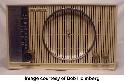
I found one on eBay for cheap that looks like it was a nuclear test subject. I took pity on it and bought it.
http://cgi.ebay.com/ws/eBayISAPI.dll...MEWA:IT&ih=011 Do any of you guys know anything about this radio? I looked around and it's supposedly 40 years old. The seller says that it was working before and then just quit altogether. Thanks for any info. 
__________________
Sony Trinitron Fan 
|
|
#2
06-25-2007, 11:18 PM
|
||||
|
||||
|
That doesn't look like the typical model 21. I've restored a few of those, and they weren't as wide and teh dial and face looked much different.
However the orange-cone speaker is a dead giveaway that its a KLH of the 60s. The thing to watch out for is the power supply caps. If one is open it can give the "dead radio" symptom. I don't remember if these are fused or not, but open it up and take a look. Not too bad of a deal for 25 bucks
__________________
Jordan
|
|
#3
06-25-2007, 11:46 PM
|
||||
|
||||
|
__________________
Sony Trinitron Fan
|
|
#5
06-25-2007, 11:50 PM
|
||||
|
||||
|
nice restoration project. For $25, worth a shot. Best of luck!
I love table radios
__________________
"Americans Hate Music, But They Love Entertainment" - Frank Zappa
|
| Audiokarma |
|
#6
06-25-2007, 11:59 PM
|
||||
|
||||
|
I saw that one in my searches too; I think that one is slightly newer.
 Quote:

__________________
Sony Trinitron Fan Last edited by YamahaFreak; 06-26-2007 at 12:00 AM. Reason: Left something out
|
|
#7
07-03-2007, 02:10 PM
|
||||
|
||||
|
there's a really clean version of what you bought on ebay right now...
__________________
MA-6900, MAC4100, Fisher 400, Sansui AU-719, Sansui TU-719, Pioneer SX-980, Yamaha CR-1000, Yamaha CR-1020, Sansui AU-5900, Sony somethin'. NSM 10s. Dynaco A25XL. AR-3's, large Advents. Small Advents. Wharfdale. KEH.
|
|
#8
07-03-2007, 04:54 PM
|
||||
|
||||
|
Quote:

__________________
Sony Trinitron Fan
|
|
#9
07-03-2007, 11:07 PM
|
||||
|
||||
|
I have one too, I need the tuning knob though, but it is a good radio and has great audio. I like to use mine in the basement when I'm working for music, listening to Michael Savage, etc. It sounds almost like a Hi-Fi. I might bring it up and put it on the shelf next to my 1953 Philco radio my grandfather had so I can have both classic FM and AM radios in use.

__________________
Mom (1938 - 2013) - RIP, I miss you Spunky, (1999 - 2016) - RIP, pretty girl! Rascal, (2007 - 2021) RIP, miss you very much
|
|
#10
07-04-2007, 11:48 AM
|
||||
|
||||
|
Would any of you model 21 owners be able to answer a question regarding the model 21 KLH speaker. Was it made to use with your radio? I have seen on at a TS and it has an RCA plug in the back, unlike any other KLH I have seen.I suspected that it was designed as a remote speaker for the radio. Does anyone know if that is the case?
__________________
Sansui G6000,7070 Pioneer SX1250,SX1280 Kenwood KR-8010 Onkyo TX8500II Pioneer CTF950,Akai GX-S80 DCM TF-600,TF-400 CX-17+ KL Quartets
|
| Audiokarma |
|
#11
07-04-2007, 12:25 PM
|
||||
|
||||
|
IIRC, the 21 had an option for an extra speaker, as well as its older tube brother the model 8. Both use the same driver. Its not stereo, just an extension speaker for another room, etc.
__________________
Jordan
|
|
#12
07-05-2007, 01:16 AM
|
||||
|
||||
|
Quote:
__________________
Sony Trinitron Fan
|
|
#13
07-05-2007, 09:50 AM
|
||||
|
||||
|
That would also explain why I found only one speaker. Thanks.
__________________
Sansui G6000,7070 Pioneer SX1250,SX1280 Kenwood KR-8010 Onkyo TX8500II Pioneer CTF950,Akai GX-S80 DCM TF-600,TF-400 CX-17+ KL Quartets
|
|
#14
08-16-2007, 05:40 PM
|
||||
|
||||
|
News
The radio finally came today. Address confusion...
 Anyway, there is no sound or power. So I open her up and discover that a fuse is blown(see pic). Can I just replace the fuse and be done, or do you think there's a reason it went? One of the large caps appears to be leaking as well, but I'm not entirely sure.
__________________
Sony Trinitron Fan
|
|
#15
08-17-2007, 04:31 PM
|
||||
|
||||
|
Quote:
The large capacitor that appears to be leaking probably is leaking, and should be replaced. This may be why the fuse in your radio blew in the first place; if the cap is leaking it may be shorted as well. Since these large caps are usually filters and are connected directly across the AC line, if they develop a short the fuse will blow immediately upon plugging the device in (the power switch does not even have to be turned on). I'd replace that leaking capacitor before doing anything else to your radio. Whatever you do, however, do not, under any circumstances, bypass the fuse. This dodge may get the radio playing again, but the short or other circuit problem that blew the fuse is still there and will cause serious damage to the circuitry, anywhere from burning the insulation off wiring to destroying parts to starting a fire. Years ago, many house fires were started when people would bypass blown fuses in their home's fuse box with a copper penny (before modern breaker panels, which are constructed in such a way that they cannot be corrupted). The dodge restored the electricity, but if the appliance or other device that blew the fuse was still connected to the circuit the fuse protected, the bypassed fuse would allow a huge amount of current to flow through the house wiring, often starting fires behind the walls. The rule of thumb for fuse replacements is simply this. Allow yourself one, and only one new fuse when troubleshooting a radio, TV or other device. If the replacement blows, unplug the cord and start looking for shorts. Do not try to operate your radio without the filter capacitor in the circuit. I don't think it will do any harm; however, it is pointless, as the filters are there to eliminate ripple in the power supply's output, which in turn eliminates hum in the sound. The radio may work without the filter in the circuit, but who wants to listen to radio programs through 60-Hz hum that may be as loud or louder than the program itself?
__________________
Jeff, WB8NHV Collecting, restoring and enjoying vintage Zenith radios since 2002 Zenith. Gone, but not forgotten.
|
| Audiokarma |
 |
| Thread Tools | |
| Display Modes | |
|
|




_Latino.jpg)






 Linear Mode

