
|
|
|
|
|
#3
 10-08-2019, 10:42 AM
|
||||
|
||||
|
Quote:
Do his buttons appear so blue/cyan to your eye, or is that totally your camera? 
|
|
#4
10-08-2019, 12:13 PM
|
||||
|
||||
|
Quote:
Here is another shot with the buttons less blue. Now the entire shot looks more blue. I was learning the set and the camera setting on this shot. I will check this shot during the next photography session. 
__________________

Last edited by etype2; 10-08-2019 at 12:16 PM.
|
|
#5
10-10-2019, 07:05 PM
|
||||
|
||||
|
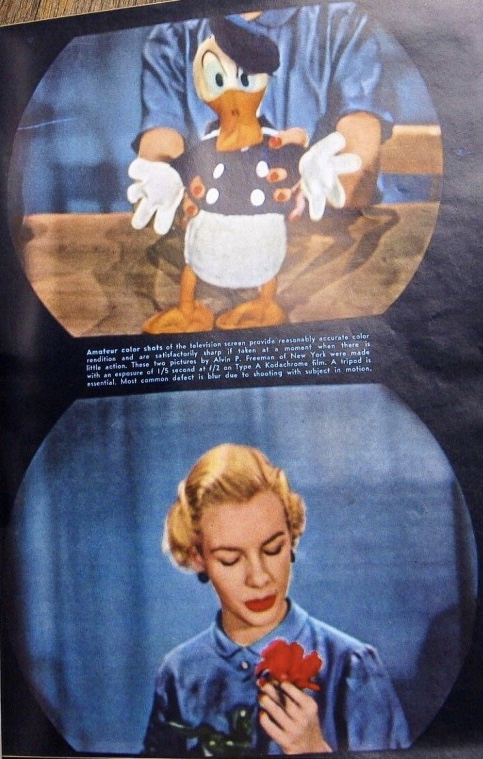
Although not exactly relevant here... this does pose questions as to how accurate CBS field sequential color was during the various field trials and tests and during the the short period of the CBS system in 1951 and the later CBS system used to generate NTSC color from their field sequential cameras.
__________________
____________________________ ........RGBRGBRGB ...colour my world
|
| Audiokarma |
|
#6
10-10-2019, 10:07 PM
|
||||
|
||||
|
Quote:
|
|
#7
10-15-2019, 10:32 PM
|
||||
|
||||
|
Quote:
__________________
|
|
#8
10-06-2019, 01:26 PM
|
||||
|
||||
|
UPDATE, OCTOBER 5, 2019
This update previews screenshots on our recently restored 1954 Westinghouse H840CK15 with 15GP22 CRT. On the screen, the 1948 movie, “The Red Shoes”, a restored three strip Technicolor film. See full resolution 6000 X 4000 images here: https://visions4netjournal.com/westi...r-tv-part-two/ Tap on any image to view high resolution 6000 X 4000 images. The full resolution shots do no have the moire artifact.     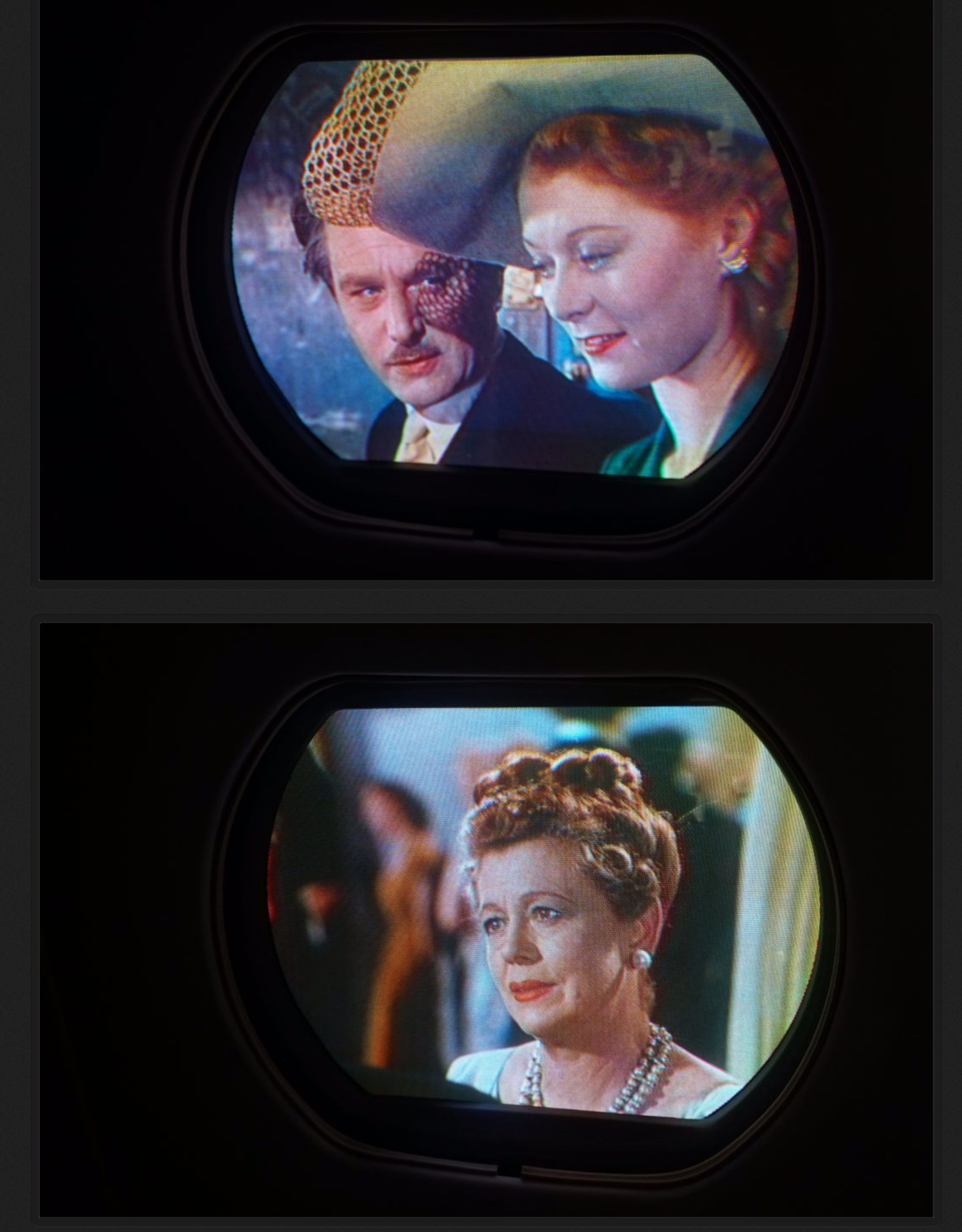 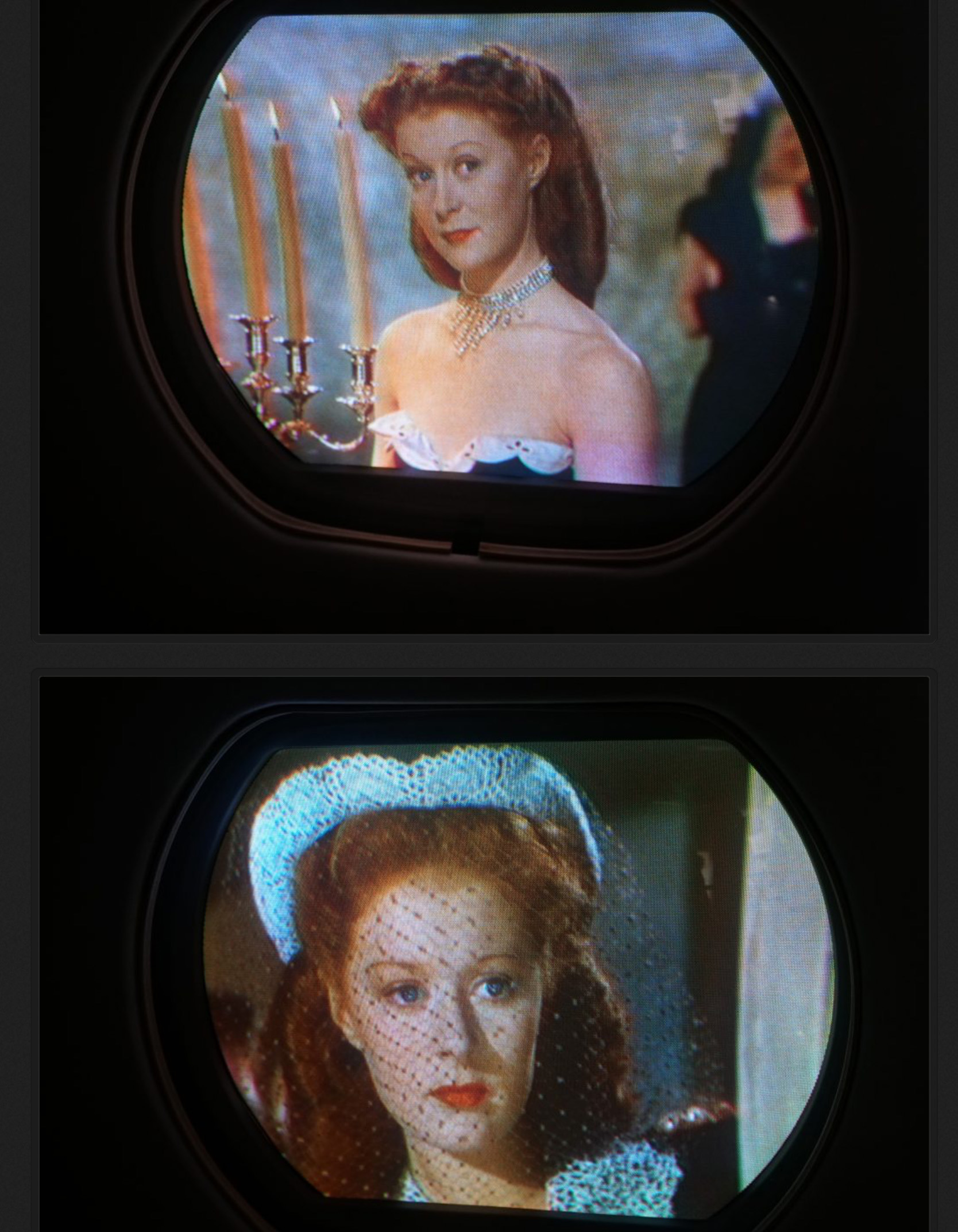
__________________
|
|
#9
10-06-2019, 01:44 PM
|
|||
|
|||
|
Looks fantastic. It kinda reminds me of the 1960s, when I borrowed a Polaroid Model 80 B/W camera. I realized that there was a color film that would physically fit the camera. But of course, the film was much slower.
I managed to figure out how to take pictures with an external light meter. Success! I was thrilled to see the results. Congratulations! I realize that this accomplishment is way better than my Polaroid adventure as a teenager. But it sure brought back memories.
|
|
#10
10-06-2019, 06:21 PM
|
||||
|
||||
|
UPDATE, OCTOBER 6, 2019
This is an attempt to show the Westy cabinet illuminated and still capture a properly exposed screen image. Shot today at 2PM on a sunny day, windows facing West. No interior lighting except the lamp on the set. The screen image is still over exposed, but not bad. Camera: Sony A6300, 1/40 Sec., F14, AWB. 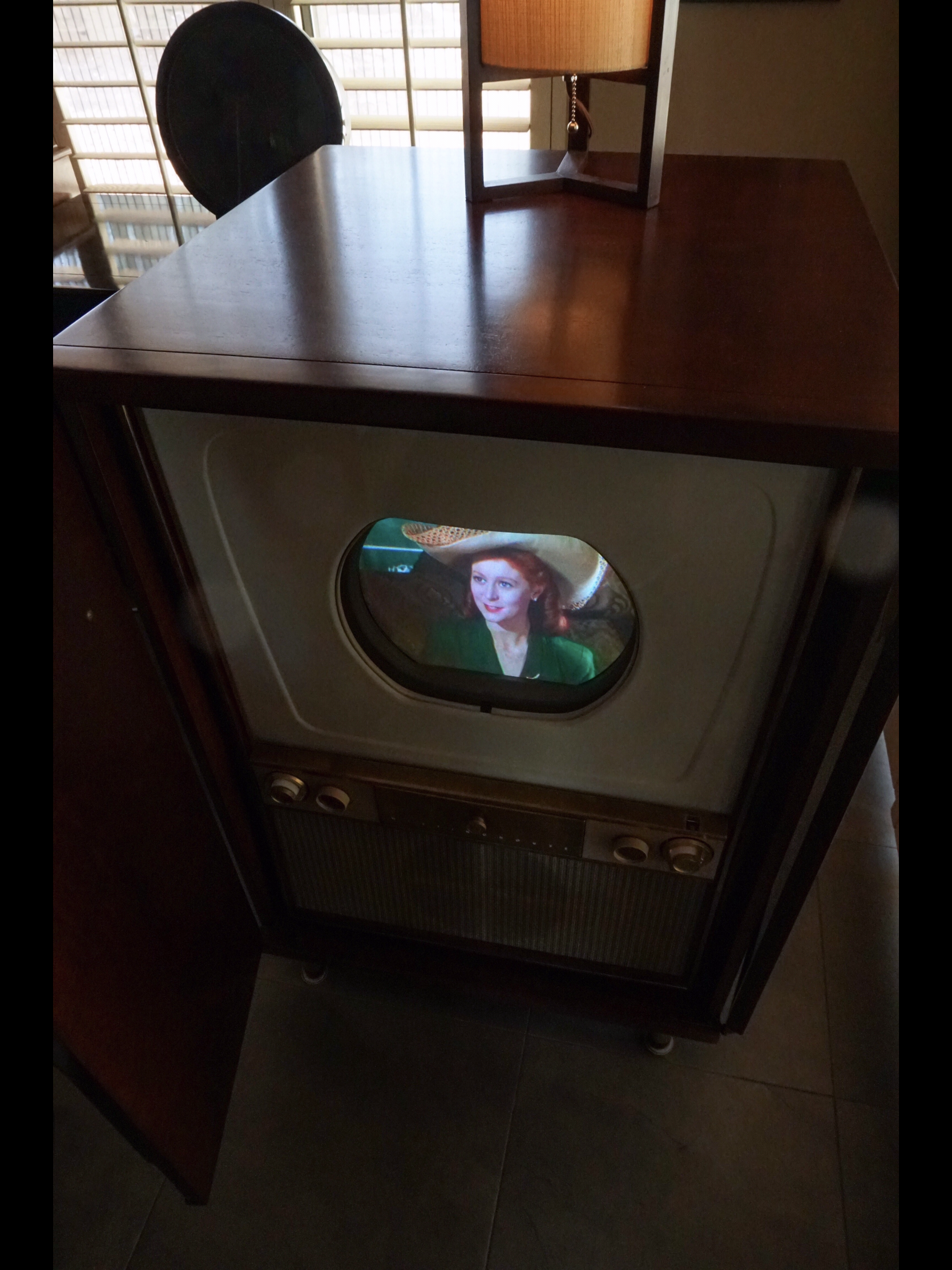
__________________
|
| Audiokarma |
|
#11
10-08-2019, 11:11 AM
|
||||
|
||||
|
That's one impressive picture! I've watched videos on convergence setup, at least on the CT100, if this is similar. Hats off to you on that!
__________________
Honey, turn on the tv.. I'm cold!
|
|
#12
10-08-2019, 12:18 PM
|
||||
|
||||
|
Quote:
__________________
|
|
#13
10-08-2019, 04:12 PM
|
||||
|
||||
|
1/40 second is too short to capture a full frame- that's why you get the shutter bar. You need to shoot 1/30 or preferably 1/15 (although this will invite motion blur from multiple frames unless you still-frame your player). The short shutter time will also cause color changes because the 15GP22 phosphors have greatly different persistence.
For best color, I suggest using still frame, a slower shutter, and a tripod of course. If your camera is resolving the phosphor dots, they may be overexposed even when the average exposure is correct, so it's a good idea to adjust your exposure darker and then increase the brightness in post processing. This was always a problem in photographing TV pictures, even film photos of black and white TVs. The average brightness consisted of the bright scan lines and the dark spaces in between, resulting in a picture with odd contrast tones because the average consisted of black spaces and over-exposed picture scanning lines. The same thing could happen with color TVs and high-resolution digital cameras.
|
|
#14
10-08-2019, 04:21 PM
|
||||
|
||||
|
I will try that in the next round of photography. I will place the camera closer to the screen to check the phosphor dots.
__________________
|
|
#15
10-09-2019, 03:35 PM
|
||||
|
||||
|
UPDATE, OCTOBER 9, 2019
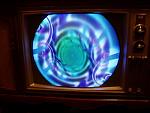
New screenshots taken today, October 9, 2019 from Gone With The Wind, a 1939 three strip Technicolor film on my Westinghouse H840CK15. At the suggestion of a VideoKarma forum member, we placed the camera on a tripod and used freeze frame. These shots were taken by a Sony A6300 mirrorless camera. The camera lens was set up about 16 inches from the screen, 20mm, SS 1/25 sec., between F13 to F16, AWB. As predicted, the shutter bar has been largely eliminated and the pixel dots are resolved. The photos below are screen captures. The full resolution shots are 6000 X 4000.    
__________________
Last edited by etype2; 10-13-2019 at 03:21 AM.
|
| Audiokarma |
 |
|
|







 Hybrid Mode
