
|
|
|
|
|
#1
 10-18-2019, 01:33 PM
|
||||
|
||||
|
Thanks.
I've noticed that some of the 15GP22's I've seen operating at the Early TV Museum have more or less of a "dirty" look like this. I guess the silk screening method was really a problem for consistency. On the positive side, the purity now looks perfect! 
|
|
#2
10-18-2019, 02:39 PM
|
|||
|
|||
|
I looked at the screen on my set with a jeweler's loupe and noticed quite a few of the phosphor dots, especially the red ones, have irregular "holes" in them, probably from the manufacturing process. Sometimes it seems the whole 15GP22 production run was almost more like a prototype run instead.
__________________
Erich Loepke
|
|
#3
10-18-2019, 04:29 PM
|
||||
|
||||
|
Quote:
__________________

|
|
#4
10-18-2019, 05:09 PM
|
|||
|
|||
|
Quote:
Here is the best I could do with a phone camera to get a picture of the phosphor dots; the holes I mentioned show up mostly on the blue and red here.
__________________
Erich Loepke
|
|
#5
10-18-2019, 06:56 PM
|
||||
|
||||
|
Quote:
|
| Audiokarma |
|
#6
10-19-2019, 12:24 PM
|
||||
|
||||
|
Quote:
__________________
|
|
#7
10-27-2019, 12:33 PM
|
||||
|
||||
|
Quote:
|
|
#11
10-19-2019, 05:20 PM
|
||||
|
||||
|
Quote:
__________________
|
|
#12
10-19-2019, 03:10 PM
|
||||
|
||||
|
UPDATE, OCTOBER 19, 2019
This review features the iconic 1986 “Ferris Bueller’s Day Off” as appearing on my 1954 Westinghouse H840CK15 with 15GP22 CRT. It too was filmed in Technicolor, but I’m not sure if the print is three strip. For the first five screenshots, my camera lens was very close to the screen, about 12 inches. You can see in these first five photos that the images look a bit granular, because the phosphor dots are being resolved clearly. For the last two shots, the lens was much further away from the screen, resulting in a “smoother” image. Tap on any image to download 6000 X 4000 resolution images. https://visions4netjournal.com/westi...r-tv-part-two/ 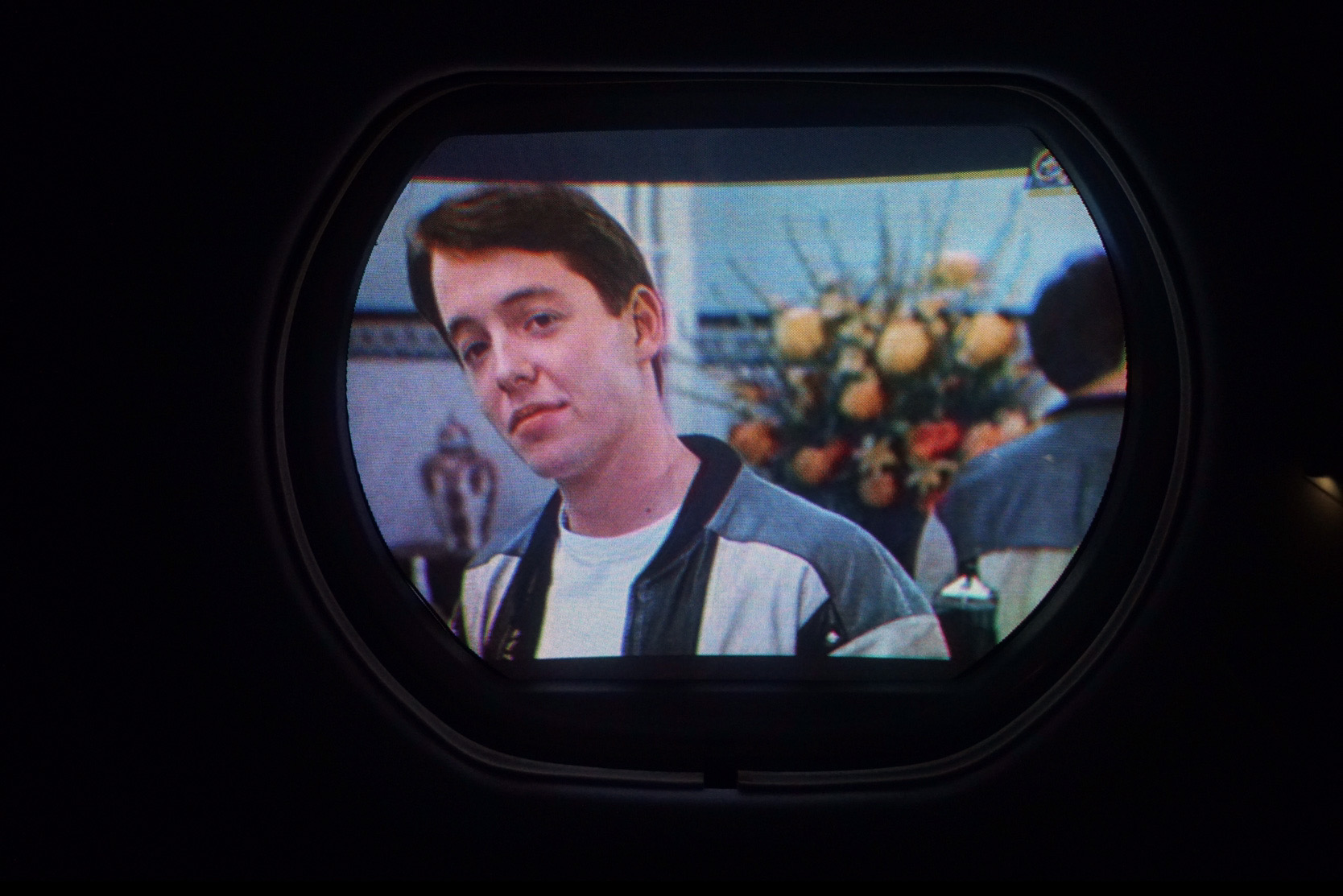   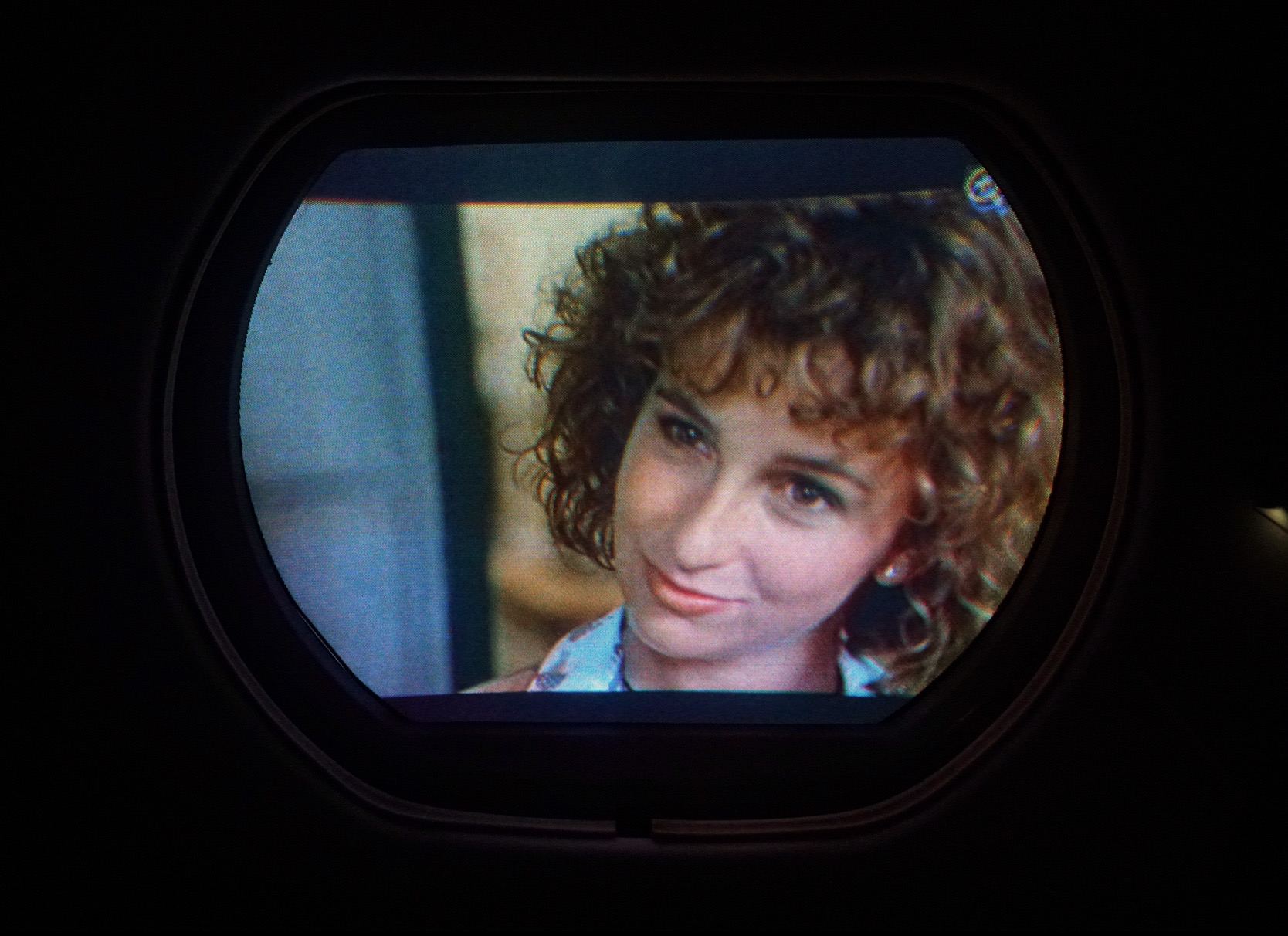 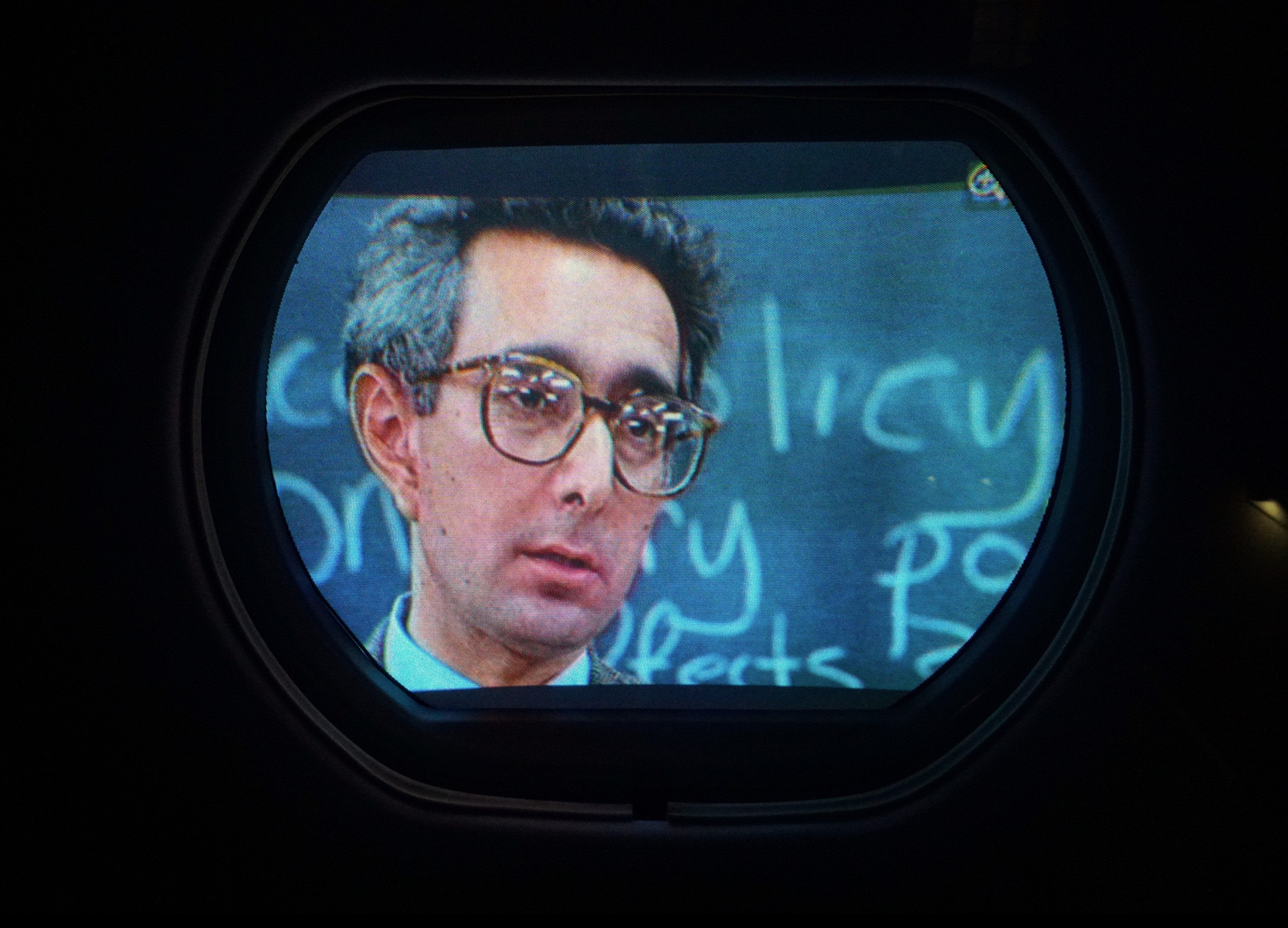  
__________________
Last edited by etype2; 10-19-2019 at 03:14 PM.
|
|
#13
10-19-2019, 04:03 PM
|
||||
|
||||
|
[Comments in brackets are my paraphrasing of various sources.] Unbracketed text is from the Wikipedia article on Technicolor.
[Ferris Buehler was not filmed in or printed in Technicolor. If the video version has a Technicolor credit, it must be for video transfer work, not the film itself. The end credits say "Color by Metrocolor," which was MGM's in-house film processing for Kodak Eastmancolor.] [Relevant Technicolor History:] Foxfire (1955), filmed in 1954 by Universal, starring Jane Russell and Jeff Chandler, was the last American-made feature photographed with a Technicolor three-strip camera. [Thereafter, except as noted below, "Technicolor" films were made on single strip Eastman color negative film and printed by the Technicolor three-strip process.] One of the last American films printed by Technicolor [three-strip process] was The Godfather Part II (1974). In 1975, the US dye transfer plant was closed and Technicolor became an Eastman-only processor. [Some movies still had a Technicolor credit if the prints were made by the Technicolor corporation. Over the years, the credit varied between the original "In Technicolor" and "Color by Technicolor"] In 1980, the Italian Technicolor plant ceased printing dye transfer [three strip]. The British line was shut down in 1978 and sold to Beijing Film and Video Lab which shipped the equipment to China. A great many films from China and Hong Kong were made in the Technicolor dye transfer process, including Zhang Yimou's Ju Dou (1990) and even one American film, Space Avenger (1989), directed by Richard W. Haines. The Beijing line was shut down in 1993 for a number of reasons, including inferior processing. In 1997, Technicolor reintroduced the dye transfer process to general film printing. A refined version of the printing process of the 1960s and 1970s, it was used on a limited basis in the restorations of films such as The Wizard of Oz, Gone With the Wind, Rear Window, Funny Girl, and Apocalypse Now Redux. After its reintroduction, the dye transfer process was used in several big-budget, modern Hollywood productions. These included Bulworth, The Thin Red Line, Godzilla, Toy Story 2, and Pearl Harbor. The dye-transfer process was discontinued by Technicolor in 2002 after the company was purchased by Thomson.
|
|
#14
10-19-2019, 04:47 PM
|
||||
|
||||
|
Thanks for the correction. It’s a shame that we don’t have three strip Technicolor anymore. Having invested in equipment with WCG, HDR and all the latest BluRay movie releases seem to be filmed in dark moody color space. I understand the Producer wants it that way for the atmosphere of the movie, but enough is enough. Some films look almost b/w. Some really good films look like all the scenes were purposely shot in dark locations so they can show off HDR. There are still some gems out there, though.
__________________
|
|
#15
10-19-2019, 09:28 PM
|
||||
|
||||
|
Quote:
The good news is that electronic restoration and re-registration of the three strips is producing images better than anyone ever saw in the theaters. Robin Hood is a prime example - Maid Marian's costumes had gold threads sewn in, which no one realized until they became clearly visible in the restored HD video. The Wizard of Oz is another example, going through a series of improved transfers, from early DVDs that looked like pure mud to better transfers from sources closer to the original, to the perfectly registered version we have now.
|
| Audiokarma |
 |
|
|








 Hybrid Mode
