
|
|
|
|
|
#1
 10-25-2009, 02:51 PM
|
||||
|
||||
|
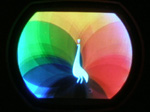
NTSC Pennant?
Does anyone have a nice high-res version of the NTSC pennant? This is a small version of an image that I scanned from an old TV book. There are problems with colors bleeding through from the other side of the page, etc. I have seen the little image at Ed Reitan's website, but that's not what I'm looking for as a screen background.
Phil Nelson 
|
|
#2
10-26-2009, 08:33 PM
|
||||
|
||||
|
The only other place I've seen this is on the cover of the Jan 54 IRE Proceedings, and every copy I know of has been loved to death - in much worse condition than what you have. Sorry I can't help - good luck.
|
|
#3
10-26-2009, 09:40 PM
|
||||
|
||||
|
I wonder if it was ever meant to be used as a televised image. May just have been a print illustration. I suppose one could photoshop the correct hues and make a DVD, but what would be a correct/proper orange?
|
|
#4
10-27-2009, 12:34 AM
|
||||
|
||||
|
Quote:
I think I have seen a recommendation from you for this book, in fact -- Basic Television by Bernard Grob. I have been using this as a computer desktop background and thought someone might happen to have a better version. The scan I made looks kinda fuzzed when blown up to 1440 x 900 resolution. Still jolly, though. Phil
|
|
#5
10-27-2009, 08:23 AM
|
||||
|
||||
|
Quote:
Pete
|
| Audiokarma |
|
#6
10-27-2009, 03:08 PM
|
||||
|
||||
|
Here's an enlarged (and slightly color-corrected) version of the original image that was posted above... it could still be sharpened a bit, if that's your preference.
The size is now 1024 x 599. Hope this is useful... -Kevin
|
|
#7
02-01-2011, 03:31 AM
|
||||
|
||||
|
Quote:
|
|
#8
10-26-2009, 10:37 PM
|
||||
|
||||
|
how's this?
Test image: note +/- I bars and +/- Q bars in upper left (Y, I, Q all full bandwidth) 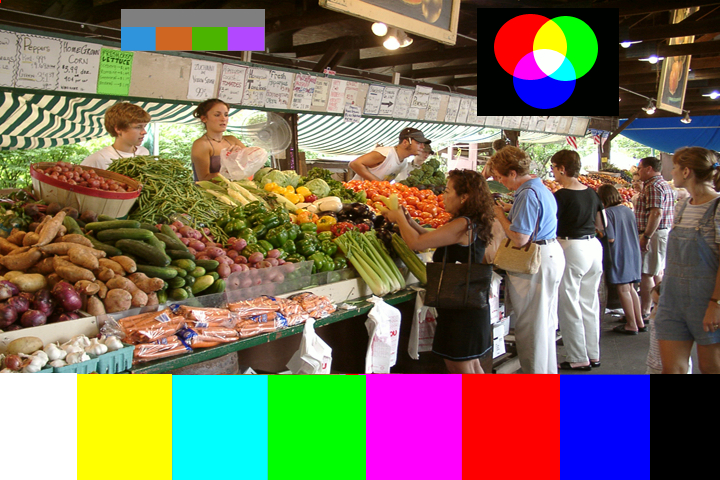 Q turned off (transmitter side, I filtered at to 1.5 Mhz bandwidth): 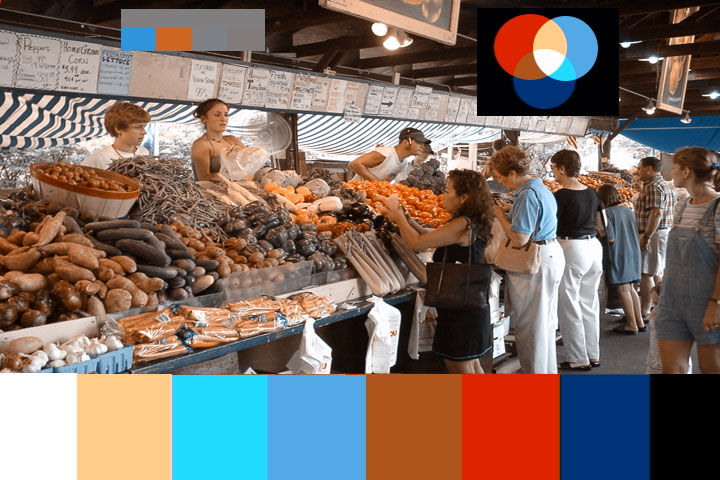 I turned off (transmitter side, Q filtered to 0.5 Mhz bandwidth): 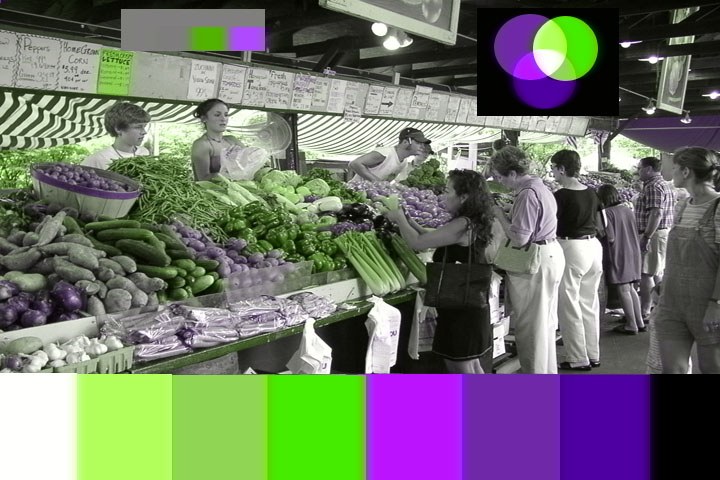 Encoded and decoded with I/Q demods, subcarrier notch filter in Y channel, shows: cross color in awning; Q smear on green-magenta edge; subcarrier dots on color bar edges.  NOTE: computer simulation was simplified by making the color subcarrier phase coherent with the pixel placement in these images, resulting in the slight aspect ratio distortion seen here. Last edited by old_tv_nut; 10-26-2009 at 10:45 PM. Reason: added info on filtering / processing
|
|
#10
10-27-2009, 07:52 AM
|
||||
|
||||
|
Quote:
 +I = orange
|
| Audiokarma |
|
#11
10-27-2009, 08:06 AM
|
||||
|
||||
|
Quote:
Pete Last edited by Pete Deksnis; 10-27-2009 at 08:09 AM.
|
|
#12
10-30-2009, 12:19 AM
|
||||
|
||||
|
Quote:
I'm out of town and will post when I get home.
|
|
#13
10-31-2009, 06:57 PM
|
||||
|
||||
|
Just want to point out to those reading the back and forth here about hue angles, that the Photoshop hue doesn't necessarily bear a direct relation to the NTSC chroma phase angle. The color produced on the screen for a given NTSC phase angle varies depending on the brightness and saturation of the color, due to the CRT gamma characteristic (non-linear response of light output vs. drive voltage).
This illustration "NTSC Color Television Standards" shows how the hue varies with saturation for a given phase. +I is at 123 degrees (electrical) which clearly is not a straight line on the chromaticity diagram. Last edited by old_tv_nut; 10-31-2009 at 08:12 PM.
|
|
#14
10-31-2009, 07:13 PM
|
||||
|
||||
|
By the way, the non-linear effect on hue for a constant electrical phase is plainly visible in the image with Q turned off - compare the "yellow" color bar with the "red" one, or look at the difference between the "green" "cyan" and "blue" bars. All of these (like every other part of this image) have signals only on the +I or -I electrical axis, but clearly have different hues on the screen.
|
|
#15
10-31-2009, 07:20 PM
|
||||
|
||||
|
Here is the way the picture looks with Q turned off and a flat gray substituted for Y.
 Note 2 things: 1) the hue is much more constant 2) the luminance is not constant, however, because the non-linear display causes an increase in luminance with increased chroma
|
| Audiokarma |
 |
|
|






 Hybrid Mode
