
|
|
 |
|
|
Thread Tools | Display Modes |
|
#16
 12-06-2010, 05:54 PM
|
||||
|
||||
|
Quote:
Cheers,
__________________
Brian USN RET 22YRS (Avionics/Cal) CET-Consumer Repair and Avionics ('88) "Capacitor Cosmetologist since '79" When fuses go to work, they quit! 
|
|
#17
12-07-2010, 06:19 PM
|
|||
|
|||
|
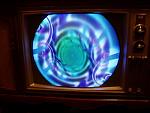
yeah unfortunately someone in the last 45 years decided to push the tube in really, really hard :/ ... we flipped the board and re-bridged all the busted circuit connections. We have 2 more tubes on order, then we are going to stard replacing caps and the brokensockets... hopefully we will be able to trace down the video signal issue once thats done.
|
|
#18
12-07-2010, 06:51 PM
|
|||
|
|||
|
what caps? I would not just go shot gunning them, most are prob ok. Maybe the can caps, but then again, often they are fine, esp if you started it easy (unless it had been in service recently).
The down side of a PCB is the breakage factor, the upside is with a good solder sucker iron you can quickly replace parts very neatly. On those I generally lift one leg of a suspect cap (low volt, high value and any non dipped caps) and check with an old school cap tester (can test at rated voltage for leakage). Same for can caps, disconnect and check with cap tester. Lately I have found a lot of the can caps test just fine, so I leave them be. I also fuse the B+ with a fast acting fuse that is just a bit over the rated current draw. That way if for some reason a cap does short the fuse will blow. Of course for complete peace of mind it does not hurt to replace all the filter caps, I just like to introduce as few changes as possible, until I have a working set. Then go and replace old working parts (like can caps) if you feel new ones are better. With the way some new caps go bad, I am not as sure as I used to be that is the case 
|
|
#19
12-08-2010, 11:17 AM
|
|||
|
|||
|
The chassis in that set is a derivative of the U920 series, and I believe it is a U918.
The schematic for a U908 or 920 will tell you all that you need to know.
|
|
#20
12-08-2010, 02:38 PM
|
||||
|
||||
|
Hey Steveo,
I live in Folsom and have been working on these beasts for a few years now and have gotten fairly aquanted with the in's and out's of color tube sets. And of course with alot of help from the folks on this site. I actually own about 6 or 7 tube sets now and most of them were broken when I picked them up. You most likely have IF or AGC issues. I had a Maggie u919 I believe it was. The first rectangulat CRT combo unit with the lovely 23EGP22 CRT. Yours looks to be a year earlier. I had to replace tube sockets due to brittleness as well. Im certian that you have connection issues and or out of tolerance caps in the AGC or IF.
__________________
Honey, turn on the tv.. I'm cold!
|
| Audiokarma |
|
#21
12-14-2010, 10:21 PM
|
|||
|
|||
|
hey guys... thanks for all the input on this!! We spend the last few days getting the phono to work, and got it going fine, so we are now just left with our tv issue.
@freakaftr8... interested in taking a road trip to our office in rancho cordova and taking a look?
|
|
#22
12-21-2010, 01:12 PM
|
||||
|
||||
|
Would love to, have to find the time after the holidays of course.
Quote:
__________________
Honey, turn on the tv.. I'm cold!
|
|
|
|


 Linear Mode

