
|
|
|
#1
 09-30-2007, 02:13 PM
|
||||
|
||||
|
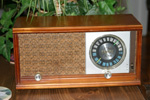
Philco 49-500-121
I have one of these that blew a cap... before I attempt to replace caps in my RCA 21-T639 Tv I'm going to try this one. Only about 7-8 electrolytics that need to be replaced, they conveniently have working values listed on them. Anyone have a schematic for thi sthing?
__________________
Quote:

|
|
#2
09-30-2007, 09:22 PM
|
||||
|
||||
|
|
|
#3
10-02-2007, 03:42 PM
|
||||
|
||||
 Frustration!
http://s28.photobucket.com/albums/c2...nt=badcaps.jpg (Little bastards)
http://i28.photobucket.com/albums/c2...ets/bottom.jpg (Status when I gave up) http://i28.photobucket.com/albums/c2...ssets/cap1.jpg (Is this right?) http://i28.photobucket.com/albums/c2...sets/caps3.jpg (More of my futile attempt) http://i28.photobucket.com/albums/c2...sets/stuff.jpg (The stuff i bought - BTW, how do I link those two blue ones together, to equal the big cardboard can?) Above are the pics of the laughable soldering effort i undertook earlier. I didn't get to use the desoldering tool because the g-damned solder wouldn't even MELT. The cap values all match and the guy at the electronics store said that I would be able to use the caps I bought as long as the values were correct. I got a Weller adjustable temp, butane-powered soldering gun because it said it got up to 900F, the guy said it was eqivalent to a 60-80w. Was I lied to? I think it's kind of neat.. I don't like the idea of drawing huge amounts of house current. To be honest, this is the first time I've tried something like this... but it's incredibly frustrating when solder won't melt, and when it does, it balls up and turns into a puff of smoke. Any ideas/tips on how to solder components like this? I left the other bad Philco cap in there because (along with eyestrain) I was fed up with the whole thing, i felt like a fraud for even attempting to do this. I said "what the hell" and gave it a smoke test. none of my new caps got hot, there wasn't any smoke or smell... or sound. but the tubes light up  So it seems I installed the caps in the right "direction" but the problem may lie in the big cardboard can/remaining cap. So it seems I installed the caps in the right "direction" but the problem may lie in the big cardboard can/remaining cap.
__________________
Quote:
|
|
#4
10-03-2007, 03:37 PM
|
||||
|
||||
|
A 30-40 watt iron should be fine except for soldering to the chassis... but soldering takes practice, we all have to start somewhere! Is it lead-free solder? I hope not!
I wouldn't use a butane torch unless I had no other choice (like FAR from an outlet...) - too easy to burn something!
|
|
#5
10-03-2007, 04:50 PM
|
||||
|
||||
|
Yes, I found that out. I kept singing nearby wires.
Soldering to the chassis, do you mean like to tube sockets? The hint that someone suggested in my thread about the RCA TV, about making a pigtail kind of loop and then soldering; well, it seems that's what was done in the original manufacture... As soon as I get the solder to melt and I tug on the bad cap, it comes off but then is entangled in a little knot where the pigtail is. I think I'm going to have to hold off on any other work on the radio until I get one of those lamps with a magnifier... i had a horrific headache after my miserable effort on the radio.
__________________
Quote:
|
| Audiokarma |
|
#6
10-03-2007, 06:32 PM
|
||||
|
||||
|
My problem(s) w/soldering is (are) as follows:1) I have NO patience. 2) I DON'T know what I'm doing. Furthermore, I really don't care to learn. 3) I have what Jimmy Buffet referred to as "Island-sized paws" 4) Said paws have a fair amount of Uncle Arthur in them, & a slight loss of dexterity from the Stroke 5) I DON'T know what I'm doing. Furthermore, I really don't care to learn.
__________________
Benevolent Despot
|
|
#7
10-03-2007, 08:04 PM
|
||||
|
||||
|
I -WANT- to learn, that way I can work on vintage stuff i find....
but god damn is it frustrating!
__________________
Quote:
|
|
#8
10-03-2007, 10:31 PM
|
||||
|
||||
|
Quote:

__________________
-- Allen Scofield KG4CNA--Opp, AL New "old" radio collector since 2007
|
|
#9
10-05-2007, 08:56 PM
|
||||
|
||||
|
To replace old caps, we cut the leads right at the old cap, file them so they are clean, then bend the old cap end into a loop and the new cap end into a loop, then interlock and join the new lead to the old, crimping firmly with needlenose, then solder. Don't try desoldering the old leads from the tube sockets, it is too difficult and can cause damage. The splice and solder method makes very firm connetcions if the old leads are clean.
We have tried the butane irons and found they do not have much oomph at all. Would only use them as a last resort where electricity was not available. This is not a torch like a Bernzomatic but a small pencil sized iron which has an internal butane flame and a standard soldering tip. A temperature controlled electric soldering station is the only thing we would consider using as it will adjust heat to solder anything from a terminal lug to a chassis all the way to a delicate surface mount component. You can get one for around $75.00....we use a Solomon brand. Last edited by Chad Hauris; 10-05-2007 at 09:01 PM.
|
|
#10
10-06-2007, 07:44 PM
|
||||
|
||||
|
pair of needlenose it is... and i'll have to pick up a decent iron the next time the paycheck rolls around...
__________________
Quote:
|
| Audiokarma |
|
#11
10-06-2007, 10:53 PM
|
|||
|
|||
|
Quote:
|
|
#12
10-07-2007, 03:35 PM
|
||||
|
||||
|
That f-in green wire came off and now I have no idea where it goes. I'm about to go into the backyard and grab a sledgehammer.
What is the "accepted" method of wiring 2 smaller caps in parallel to create one larger one, besides the goddamn disaster I created, as pictured? AND, are those acceptable needle nose pliers? I couldn't make a loop-de-loop worth a damn.... I feel like such a hack for even trying this.
__________________
Quote:
|
|
#13
10-07-2007, 05:13 PM
|
||||
|
||||
|
There is a reproduction cardboard can electrolytic with new caps in it which will work much better as a replacement...I dont think those types of electrolytics you have got will fit in there, there is just not enough room.
You can get the replacement caps at http://www.tubesandmore.com Click on "capacitors" and "multi and single section tubular electrolytics" The site uses frames so there is no way to link right to the caps. I think those needle nose are too big for this job...you need a type like an Xcelite which is made for electronic work.
|
|
#14
10-07-2007, 05:27 PM
|
||||
|
||||
|
I picked up these at an estate sale and have found them to be the best tools for doing electronic work, particularly that needle nose with the bent end. I'm not sure where to get them otherwise though. I broke the end off those wire cutters in the picture, and have yet to find as good of a replacement, all I could find was a much more cheaply made unit that was slightly larger and used 'springy' flat pieces of metal that keep slipping out of position instead of an actual spring.
Last edited by Adam; 09-13-2009 at 10:36 AM.
|
|
#15
10-07-2007, 05:42 PM
|
||||
|
||||
|
fujifrontier,,, this thread is evident that I am not alone in the world. I respect your frustration, and am in the learning phase also. But dangit, with the good people here, and a bit of determination, you and I will learn this stuff.
Dan
|
| Audiokarma |
 |
|
|









 Linear Mode

