
|
|
|
#1
 03-19-2011, 01:49 PM
|
||||
|
||||
|
Working on First GE Color
My recent project was with a GE 15CL100 chassis which I was able to restore to operation with the Wallace Manual available thanks to ETF & J. Folsom.
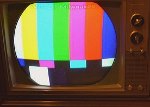
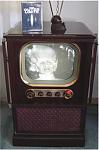
This set came from fringe suburban Milwaukee WI where according to owners it was one of 70 in an initial production run mainly intended as demo sets for favored GE dealers/locations. Since there was a pioneering color station here in '54, WTMJ NBC, this area got this one (or more?) demo set(s). There are two schematics in the Wallace, "First Production" & "Second Production". The 2nd production has about a half-dozen minor circuit changes. I have not seen evidence of a 2nd production TV; I suspect production was halted in the anticipation of the coming RCA 21" kine to better complement this set's refrigerator-like cabinet. As you might guess, the chassis is big and heavy (60 lbs) and consumes the best part of 500 watts. With a high tube count, there is high component density and many capacitors to change. However when paper caps are eliminated, it turns out to be a stable, reliable performer with a conservative, cool-running flyback transformer in a large well-designed HV cage. There was some horiz AFC foldover on the right side that only upgrading to 2nd Production changes could correct. Being from the days of pioneering experimentation, there are some peculiarities like the "Hue"(Tint) control being almost hidden (from customer tampering) on the chassis back panel. Its 15GP22 RCA kine has good guns but too much accumulated atmospheric ingression for effective operation (needs to be re-vacuumed one day) 
|
|
#2
03-19-2011, 02:41 PM
|
||||
|
||||
|
Zowie, an interesting project. What sort of 21" CRT did you use in that workbench setup?
Phil Nelson
|
|
#3
03-19-2011, 02:52 PM
|
||||
|
||||
|
Nice going Colin! Please tell us the story of how you came to be aware of this set in the possession of the former owners.
Presently I am working on the Helium Leak detector mass spectrometer so maybe some day we will be able to locat the leak in that gassy tube.
__________________
Vacuum tubes are used in Wisconsin to help heat your house. New Web Site under developement ME http://AntiqueTvGuy.com
|
|
#4
03-19-2011, 09:30 PM
|
||||
|
||||
|
Quote:
Last edited by NewVista; 03-19-2011 at 09:53 PM.
|
|
#5
03-19-2011, 09:51 PM
|
||||
|
||||
|
Quote:
|
| Audiokarma |
|
#6
03-19-2011, 10:57 PM
|
|||
|
|||
|
Wowie zowie! That's incredibly cool.

|
|
#8
03-20-2011, 12:47 PM
|
||||
|
||||
|
Quote:
The HUE control with a knurled brass knob can be seen hidden from the customer (for good reason?) on lower back panel. It's a shielded vari-cap that rotates continuously. Twin "Coke Bottle" 6CD6 Horiz O/P only draw a meager combined 1/5-A Now have CTC-5 hooked up to Zenith Test CRT (2nd pix) - it's more trouble than the GE !
|
|
#9
03-20-2011, 02:00 PM
|
||||
|
||||
|
Wow! Great work, thanks for all the pictures!
 The pix of The neck glowing did, however bring back a rather unpleasant memory, when the CRT in my avatar died.  Seeing the chassis hooked up to a 21" (fat neck) tube and producing a fair picture raises some questions.  1. Is there room inside that huge cabinet to actually mount the 21" jug up to the bezel in a somewhat normal position temporarily ? 2. Any possibility of a simple add-on convergence driver so that the magnetic convergence coils could be used in a set designed for electrostatic convergence? Not to suggest something that some might consider as egregious as fish-tanking on a super rare set, but seeing this chassis operating with the 21" jug suggests some interesting possibilities. jr
|
|
#10
03-20-2011, 02:02 PM
|
|||
|
|||
|
Quote:
 Bill(oc)
|
| Audiokarma |
|
#11
03-20-2011, 06:48 PM
|
||||
|
||||

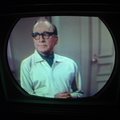
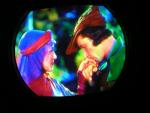
I've known about the 15CL100 for years, and have a copy of a schematic, but this is the first time I've seen actual photos and screen shots of that receiver outside of the pic on the ETF website, and other similar pics. Thanks for posting all the info and pics, I really appreciate it! GE's approach to a color set is certainly different from RCA's, and is a great illustration of the history of the art of early receiver engineering and design. The crystal ringing circuit was used in a few other sets later, a Motorola comes to mind. Saved a couple of bucks over a complete oscillator/AFC circuit, I guess.
Kevin
__________________
stromberg6
|
|
#12
03-20-2011, 09:42 PM
|
||||
|
||||
|
Quote:
|
|
#13
03-20-2011, 11:24 PM
|
||||
|
||||
|
Quote:
__________________
Bryan
|
|
#14
03-20-2011, 11:36 PM
|
|||
|
|||
|
Quote:
|
|
#15
03-20-2011, 11:41 PM
|
||||
|
||||
|
Quote:
The 15GP22 appears to be mounted on a sub-board with bolts. Another sub-board with a 21 could perhaps be dropped in temporarily - without harming any of the cosmetics or construction - until 15GP22 situation resolved.
|
| Audiokarma |
 |
|
|








 Linear Mode

