
|
|
|
#1
 03-28-2006, 11:26 AM
|
||||
|
||||
|
Predicta has raster, sound, but no picture
Just started working on my 17" Predicta Debutante. This set has been in our family for about 25 years or so now... Was working OK when put into storage about 20 years ago. Started out by testing all of the tubes on my TV7-D/U and found them all within spec.
 Then pulled the chassis and cleaned most of the dust and dirt --- it was very nasty! Replaced the chassis and all tubes (except for the horizontal output tube) and brought it up slowly with a variac. Heard a bit of sound from a strong local station, so I decided to power it up again with the H.O. tube. With a little fiddling of the controls, I now have a nice and bright full screen raster. Then pulled the chassis and cleaned most of the dust and dirt --- it was very nasty! Replaced the chassis and all tubes (except for the horizontal output tube) and brought it up slowly with a variac. Heard a bit of sound from a strong local station, so I decided to power it up again with the H.O. tube. With a little fiddling of the controls, I now have a nice and bright full screen raster.  Am also getting sound on two local stations (with a lot of hum), but no picture.... Am also getting sound on two local stations (with a lot of hum), but no picture....I found a few signs of prior servicing. One of the 9-pin tube sockets has been replaced and most of the paper caps on the main board apprear to have been changed at some time. Kind of crappy workmanship on these repairs, but look OK for now. Everything else looks untouched. I'd welcome any advise as to what to do next. Where should I be looking for a problem with no picture, but good raster and sound? Since I have sound, wouldn't this indicate that the tuner is functioning properly? Should I be happy with the results of my first testing and plan to proceed with recapping? Any known trouble-prone components in this set that need to be addressed? My plans for this set are to make it safe for occasional use. Would be neat to be able to demonstrate it with some vintage programming via a DVD or VCR. Thanks! 
|
|
#2
03-28-2006, 06:42 PM
|
||||
|
||||
|
I would look at the video detector diode and video output stage.
|
|
#3
03-29-2006, 01:11 PM
|
|||
|
|||
|
Connect the video lead from the picture tube socket to the PC board.
Don
|
|
#4
03-29-2006, 02:47 PM
|
|||
|
|||
|
Right on! I'll bet that's what his problem is. That lead is easy to overlook. Its a solitary lead with a simple pin socket on the end.
|
|
#5
03-29-2006, 04:39 PM
|
|||
|
|||
|
All of that wiring is solid rigid unlike multistrand and can break off if flexed excessively.
A set I restored sevearal years ago had several broken wires to its' name by the time it had been shipped to me. I've had to build up a couple of those flat monolythic component units too.(Sync Circuit?) Simple resistors and caps. They produced a good picture when everything was right. I've heard that these had flyback failures over the years, but I never saw a bad one. I'd like to think that by now those that were destined to fail have done so. Best Of Luck With Yours !! Bob
|
| Audiokarma |
|
#6
03-29-2006, 05:39 PM
|
||||
|
||||
|
Well, you guys hit the nail on the head... It was the single lead that plugs into the video out pin on the main board!
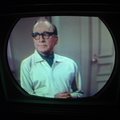
I don't recall disconnecting that lead. But, it may have disconnected when I pulled the chassis. It's a tight fit in there!Now have a pretty fair picture and good sound:  The picture is not as dim as pictured; it washed out a bit when I photographed it. However, there isn't much contrast and the picture does tend to roll occasionally. Plus, the images are "taller" near the top of the picture, but not too bad. I want to go ahead and proceed with recapping the main board and also the multi-section electrolytic cans. Also just sent the original speaker off for reconing. Any tips on cleaning the tuner? Should I replace the 5.6 ohm resistor/fuse? Seems that this is a common problem with the Predicta? I welcome any other tips from the experts out there as this is the first vintage TV I have undertaken. I'll be glad to update this thread with more pictures as I progress. Thanks!
|
|
#7
03-30-2006, 11:56 AM
|
|||
|
|||
|
What's the chassis number?
Don
|
|
#9
03-31-2006, 12:06 PM
|
||||
|
||||
|
This looks like the same model I have. I just pulled it out the other day. I had previously replaced a few of the caps in the vertical circuit due to insufficient height but it still wasn't right. I had to pull the chassis loose and replace one more and that did it. Unfortunately the crt on mine isn't real strong. With the normal/fringe switch turned to, I think, normal, the faces tend to go shiny and negative. The tube chart has the crt # crossed out and another one written in so I guess it was swapped, but that was long enough ago for the replacement to wear out as well. I've heard these were "motel specials" and I'm pretty sure mine is. Anyway, for no more than I use it I can't complain.
I wouldn't worry about the fusible resistor unless it goes bad. I got my set cheap because the old one was shot. I had rigged up something with some new resistors but then I found a NOS part.
__________________
Bryan
|
|
#10
03-31-2006, 07:52 PM
|
|||
|
|||
|
Wes:
On the 10L43, vertical problems usually come from: Bad .0015 at 1KV - feedback cap Bad .1 at 400 volt - coupling cap Bad 6DR7 Tube Bad Height Pot Bad Vert Lin control Bad .0068 at 400 volts - discharge cap Bad .022 at 400 volts - Buffer Bad 30 6030-7 RC Integrator network Bad 1.5 meg plate resistor Bad 30-6509-1 coupling network Bad 100K 1Watt resistor - Buffer Bad Tube socket In the order listed Leave the fuse as is. When it goes bad, you'll know. Clean the tuner with any standard tuner cleaner. Just spray it in , rotate the tuner a few times and let it dry. Aim for the switch contacts. Lube the tuner detent with Lubriplate or a small amount of white grease. Don
|
| Audiokarma |
|
#11
03-31-2006, 09:17 PM
|
||||
|
||||
|
I was bit by the video lead when I restored my Predicta barberpole ( http://antiqueradio.org/philc12.htm ).
Looks like you're making good progress. I would definitely replace all remaining paper/plastic/electrolytic caps while you have it apart. There's nothing I hate more than having a "restored" set conk out because I was lazy the first time around.
|
|
#12
04-20-2006, 09:38 PM
|
||||
|
||||
|
Thanks everyone for the tips. I've made a little progress on the Predicta... All of the electrolytic capacitors have been changed. This was quite a challenge since the originals were multi-section can type caps and the replacements are Sprague Atoms. Terminal strips were attached to the chassis to mount the individual capacitors:
 Powered up the set, and it seems that I have a worse picture than before.  The image near the top of the screen is still squashed... even worse than before. It is concentrated into a band that is about 2" high near the top. Also, the picture will not quit rolling. If I adjust the controls to stop the rolling, it will be OK until the scene changes, or a commercial comes on, etc. and then will start rolling again. Here are some pics:     All of the original paper caps have been changed by a previous owner. They look similar to orange drops except they are purple in color. Any ideas of where to start checking? Thanks!
|
|
#13
04-20-2006, 10:16 PM
|
||||
|
||||
|
I think those purple looking caps are original, don't think they've made those for a while so I'd go ahead and replace them.
Start with the ones around the vertical output tube and see if it doesn't improve the strech problem.
|
|
#14
04-21-2006, 10:00 AM
|
||||
|
||||
|
Quote:
Good luck!
__________________
Charlie Trahan He who dies with the most toys still dies.
|
|
#15
04-21-2006, 11:08 AM
|
|||
|
|||
|
Looks like height and lin controls are misadjusted. Can you reduce the height control so the picture does not fill the screen and then adjust the lin to stretch the top?
Don
|
| Audiokarma |
 |
|
|







 Linear Mode

